
Yekatit-12 Hospital
Medical College
News
Managing chronic inflammation with psoriasis
3rd August, 2024
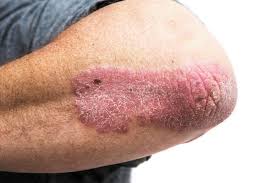
In people with psoriasis, immune system dysfunction causes inflammatory cells to build up in the middle layer of the skin, known as the dermis. The condition also speeds the growth of skin cells in the epidermis, the outer skin layer.
Typically, skin cells grow and flake off in the span of a month. This process speeds up to just a few days in people with psoriasis. Instead of shedding, skin cells pile up on the skin’s surface, leading to uncomfortable symptoms such as raised plaques, scales, swelling, and redness or discoloration.
Even though psoriasis is a skin condition, the inflammation associated with psoriasis affectsTrusted Source the entire body. It can increase the risk of heart disease, cancer, inflammatory bowel disease, and psoriatic arthritis.